Have you ever found yourself doing something you knew was wrong just because everyone else was doing it? In the halls of Searcy High, the desire to fit in can feel more powerful than your own conscience. Peer pressure can be found in many different medias, such as text messages, face to face conversations and even social media with how people critique others on how they should dress, look, or act.

In the 2000s with social media emerging, the increase of peer pressure and cyber bullying was on the rise. It may come as a surprise to some that even something as little as an MySpace account that wasn’t decorated could have been a social suicide sentence for most teens in the early 2000’s. Following the topic of MySpace, not being added to somebody’s top 8 created many dramas within the early 2000’s especially in high school students and it pressured people to keep a certain public image online and also cause people to be more public about their lives online. As people broad-cast their life more and more online it caused them to try to keep up a perfect image when everything was not perfect therefore straining their mental health. Following off the top eight subject, it also made people feel feelings of loneliness, rejection and cause they’re self-esteem to go down. As people started looking for validation from people online and in real life they turned to conforming to certain style trends such as chunky highlights or even being emo. Some people were not always able to come up with the new clothing trends because of their families household pay. The average household in the early 2000’s made about 42.1 K annually and 3,508 per month. An example of a clothing trend that not many could afford a juicy track suits as they could reach up to 155 dollars which is about 0.37% of the households annual pay. While that might not sound like very much, the average household spent about 182 per month on groceries and house payments averaged around 1,300 per month. In the end with all the payments and all the bills that needed to be paid there wasn’t much left for a juicy track suit or low-rise jeans or a new band t-shirt to fit in. Some people who didn’t join the style would usually be alienated from the “cool kids” and would be labeled a freak or a loser and be targeted by bullies.
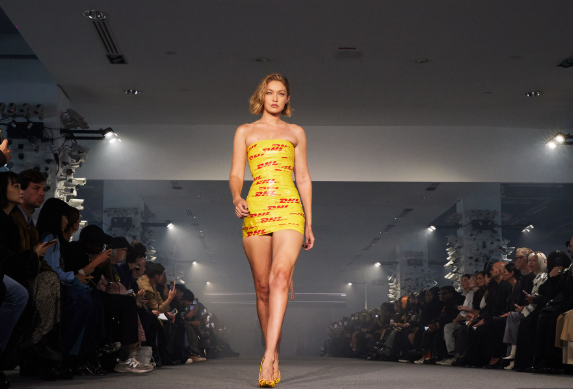
The 2010s wasn’t much different since social media was in the same spot as it was in the past decade. As people grew more and more accustomed to social media, they grew more comfortable with it. Little did they know the blessing they thought was in their hands was actually just as much a curse. Since tweens and teens were the main ones on social media being targeted, they usually looked to beauty influencers like Jaclyn Hill and The Kardashian-Jenners. Their products sky rocketed in popularity and “popular girls” rushed to get them leaving the still developing, baby faced, pre teens and newly 13 year olds in the dust. About 77%-90% of kids in the 2010s felt silently pressured to do things popular peers were doing to seem popular as well. Some people also fell into this rabbit hole to seem crystal clear and perfect on social media. Looks weren’t the only thing people world wide were looking at online. Weight was also an incredibly popular topic within a teens brain. Not only were over lined, matte lips and smoky eyes popular to young people online, a slim waist and curvy hips were also idolized. Some icons such as Victoria Secret model, Gigi Hadid or pop sensation, Beyonce, were heavily looked at for body figures that included a slim and athletic appearance, strong, curvy waists, and conventionally attractive figure. As they continued to fake a life on social media, so did edited pictures. People started meticulously craft a persona online, filter the photos, and pose a certain way to make it seem like you were living a life that you haven’t even been in the presence of. As the demand for skinnier girls went up, the depression in obese kids (especially girls) went up. The multi-billion dollar business in beauty feeds off of obese girls’ dreams. So as the industry pushes on, so does a skinny popular girls need to bully. While some kids get this way because of eating, It could be a list of other factors. It is looked down upon because they are unhealthy and “unattractive” but they could be this way because of their home lives and could add on to the stress of school. The pressure to get skinny wasn’t just from teenage girls but from perverted boys who want a piece of tail. Nudes ares not a new thing, especially in a teenagers world. While some people send because they truly want to, others could be doing it because they feel like they have to in order to protect friendships and bonds with people they know. If you didn’t send when asked you would be seen as a prude or not fun and would be ostracized from a friend group or from everyone’s circle. It could go as far as being bullied for not sending. But at the end of the day, it is a double edged sword because there was always a risk of them being leaked to the whole school. As Snap chat was on the rise, so was leaking pictures. IF they got leaked you would still be bullied by being called names or in some cases could be pressured to send more. You couldn’t win that cat-mouse game even if you were the creator of it. With this thought in mind, many kids experienced an increase in anxiety and depression which also came from the falseness of social media. You simply just had to find the right people and not care about what other people thought but of course no one really did that. It was the mindset in that time.
Even in our own bed rooms, where we sleep at night, the kids aren’t safe from peer pressure. Whether it be to change how they dress, their knock-off brand shoes, or to end their own lives. The world has evolved to be almost primarily online. Within the halls of Searcy High School there are stories untold. Until now of course. In a poll sent out from a member of lion press to all four grades of Searcy High School, it was reported that:
33% had been peer pressured to use drugs or steroids.
33% had been peer pressured to drink alcohol.
36% had been peer pressured to have sex or engage in sexual acts.
55% had been peer pressured to use vapes or cigarettes
14% had been peer pressured to a mixture of other things.
Many reported feeling like they wouldn’t be accepted or liked if they didn’t do what they were pressured to do. Others reported that they had good restraint and that it didn’t effect their relationship with the person. Sometimes it doesn’t hit you that it can happen anywhere. Even in the hallways that you dwell in. Things like these will echo a cry unheard to many. People in the poll said that the things that were pressured on them affect them even today when not doing them. Whether it be cravings or memories of the past.
The theme of peer pressure has been carried all the way to the beginning of time, not just back to the 2000s. Sometimes its not always apparent when someone is being peer pressured but the best thing you can do is be there for them and stand up for what is right. Ways to avoid being pressured is learning to say “no” and to surround yourself with people who are always there for you. You can always just walk away. There’s always a choice.