As we’re nearing Halloween, people are microwaving their popcorn and getting comfy to watch a horror movie with their family and friends. But the question still remains: What horror movie should I watch? Over the years there have been countless films created for the spooky season — although they fit under the same category — they’re still pretty different. From the 1970s to the 2020s, slashers to psychological thrillers, and originals to modern day, was the horror movie evolution a boom, or a bust?
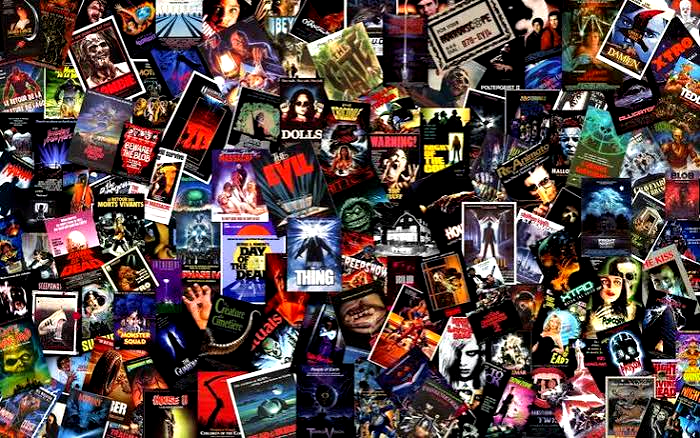
In the 1960s movies had to follow the Hays Code. The Hays code entails: No explicit content, no crime, no profanity, no mocking authority, and restricted social taboos. Throughout the decade, competition from television, the rise of foreign films, and push-back from bold directors made the rigid code harder to enforce, so when it was finally disbanded the filming industry decided to include basically everything that was in the Hays Code to explore their freedom. Many of the movies that came out of that were horror movies such as: The Exorcist (1973), The Texas Chainsaw Massacre (1974), Jaws (1975), Carrie (1976), and Halloween (1978), and so much more. The 80s brought back the fun, high-energy, and campy tone, and introduced supernatural celebrities like Jason,
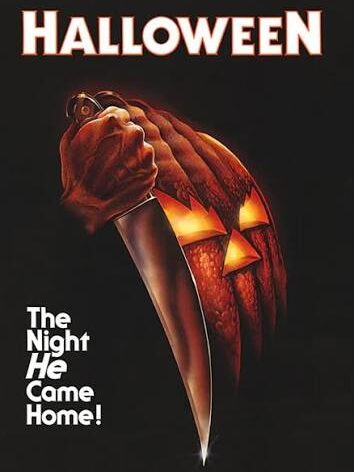
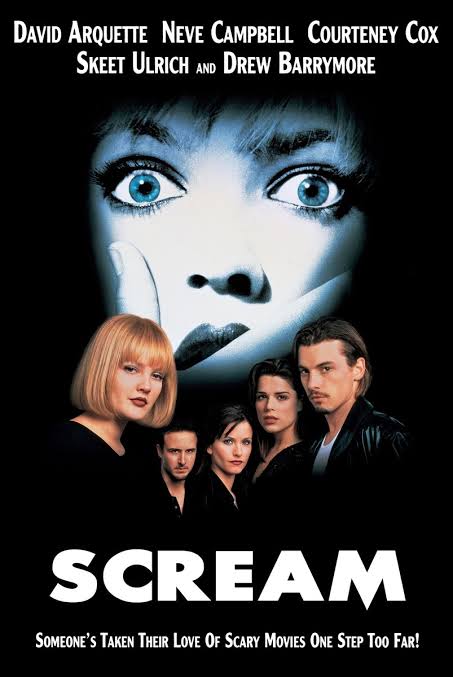
Freddy Kruger, and Michael Myers. Because of the profit that was made from the original slasher movies, there were so many sequels made to the point where the plot was basically lost. The main issue was that everybody who watched these films could predict what would happen since they all had the slasher formula—a predictable narrative where a masked killer stalks and murders a group of young people one by one, usually with a bladed or hand-held weapon— some movie examples being: The Shining (1980), Child’s Play (1988), Friday the 13th (1980), and A Nightmare on Elm Street (1984). But 90s movie Scream decided to implement meta-awareness, where the characters knew the rules of horror movies and joked about the tropes while they were trying to survive them— kind of ironic no? Not only did the 90s bring that, but it also introduced a psychological and prestige shift, self-awareness and slicker casts. Some examples of those are: previously mentioned Scream (1996), The Silence of the Lambs (1991), I Know What You Did Last Summer (1997), and The Blair Witch Project (1999). Back in the 80s, they had pretty grisly graphics, but Saw had just come out in the 2000s and knocked the 80s out of the park. The transition from 1990s horror to 2000s horror shifted the genre away from the aspects I previously listed and more toward visceral realism, extreme violence, and deep-seated paranoia. Because of the real-world trauma of 9/11 and the anxieties of the digital age, filmmakers abandoned meta-humor in favor of the unrelenting terror. The main categories were: The torture boom, including Saw (2004). and Hostel (2005). Tech Anxiety like The Ring (2002), and The Grudge (2004). And the found footage takeover— mainly Paranormal Activity (2007). The 2010s completely transformed horror by moving away from gruesome scenes of the 2000s toward
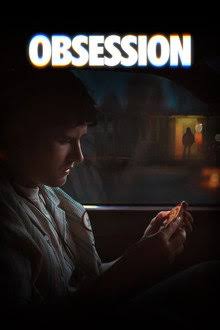
psychological dread, social commentary, and a massive resurgence of independent cinema. This decade birthed the term “elevated horror” — art-house studio films that prioritized atmosphere, grief, and trauma over cheap jumpscares— while simultaneously mastering the commercial marketplace with connected supernatural universes. The independent studio A24 became a powerhouse by focusing on slow-burn, artistic horror that focused on grief, trauma, and mental illness. They made Hereditary (2018), The Witch (2015), and Midsommar (2019). Another studio that stood out was Blumhouse. Blumhouse was mainstream, producer Jason Blum perfected the micro-budget model with massive hits like Insidious (2010), and The Purge (2013). The current day, 2020s digital-era horror takeover peaked in 2026 with massive box-office triumphs and critically acclaimed blockbusters. Alongside Obsession (2026), and Backrooms (2026). Resident Evil (2026) became a record-breaking success story; directed by Zach Cregger, this grounded, claustrophobic Raccoon City reboot earned a 96% on Rotten Tomatoes and crossed $320+ million globally. Meanwhile the long awaited sequel Scream 7 (2026) brought back Sidney Prescott.
No opinion is better than the locals. So what do two students at Searcy High School think about horror movies?
Myla Neal is a Sophomore Student here at Searcy— who claims to be a horror movie enthusiast— basically sums up the reality of modern day movies. When asked about her opinions on the original slashers, Neal says, “I think that they carry the whole franchise,
they aren’t performatively gory like today’s works. They have a story plot to base the attacks off of, which I think is a major plot hole in today’s movies. True horror fans don’t see stories as “boring,” they know it’s a strong origin point that makes the character what they are.” By establishing the cinematic blueprints, survival rules, and micro-budget storytelling that defined modern suspense, these early masterpieces proved that atmosphere matters more than cheap gore. “I think people undermine the importance of the original slasher films, they brought a whole new level to horror and created horror icons we all know
today,” said Neal. Prior to this section, Scream 7 was brought up, how does it compare to the original? Neal explains how Scream 7 didn’t meet her expectations, “Scream 7 was a complete fail in my opinion, while it was thrilling the actions were overly done, and definitely not scream status.” And to answer the main question—is the evolution a boom or a bust— she says, “Definitely the old ones. You can’t beat originals with copies!” Freshman Teagan Price, agrees saying, “I think horror movies are definitely not as good as original ones but every once in a while someone comes out with a really good one.” Which has been proven with data saying that even with inflation adjustments a lot of the movies from the more modern days have made more money in the box offices than some of the originals.
Ultimately, the answer to if movies are better now is subjective, depending on the audiences taste in movies both generations of movies could be better in something or worse. The history of horror movies proves that the genre didn’t necessarily die; it resuscitates. Horror remains Hollywood’s most resilient survivor because its structural volatility matches the shifting tides of the human psyche. So, the booms will fade and the busts will come, but as long as we have fears to process, the silver screen will find a way to keep us in the dark.